Published by Dating in Your 30s
Romance Scams Follow Patterns Documented by Federal Agencies
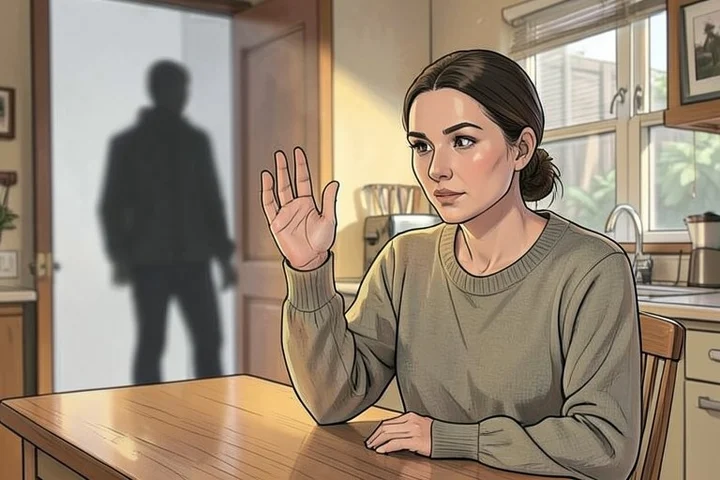
The Federal Trade Commission describes scammers using fake identities on dating sites, social media, and messaging services to build trust before seeking money. The FBI Internet Crime Complaint Center also identifies financial requests following an online relationship as a romance-fraud pattern. One canceled plan, intense message, or personal emergency does not prove a scam. The risk rises when several signs reinforce one another and lead toward a transfer, financial information, or control of an account. Pause any financial step until the identity and situation are independently confirmed.
Rapid Intimacy Can Create Trust Before Verification
Love bombing warning signs become significant when intense affection arrives before basic facts have been tested. Declarations of commitment, pressure to keep the connection private, dismissal of friends who raise concerns, and a sequence of elaborate crises can create urgency and isolate you from outside judgment. The FBI identifies emergencies, travel problems, and medical needs tied to money requests as possible romance-fraud indicators.
Affection alone is not the deciding factor. Focus on what follows it: a demand for secrecy, a reason to act immediately, or a request that you solve a financial problem. Do not send money, personal documents, account details, or verification codes to relieve a crisis described by an online connection.
Repeated Barriers to Live Contact Keep the Story From Being Tested
A single camera problem or rescheduled meeting has many explanations. The safety concern begins when every attempt at a live video call or in-person meeting fails, especially alongside claims of overseas work, military service, travel restrictions, sudden emergencies, or conflicting details about work, family, and location. Repeated barriers keep the profile, photos, and personal story from being checked against a real person.
Do not treat polished messages or repeated apologies as confirmation. Keep money and account decisions paused when direct contact never occurs or the story changes under basic questions. A person who pressures you to proceed without verification is adding risk, not resolving it.
Requests Involving Money or Accounts Change the Risk Immediately
A request for a wire transfer, gift card, cryptocurrency, investment payment, or help receiving or moving money changes the situation from uncertain dating to financial risk. The FTC advises against sending money or gifts to someone you have not met in person, and it specifically flags cryptocurrency, gift cards, wire transfers, and requests to move funds. The FBI also names investment opportunities and requests connected to travel or medical emergencies as warning signs.
Treat requests to forward packages, deposit money, share bank access, disclose a one-time verification code, or use an unfamiliar investment platform as part of the same risk. These requests can expose your funds, identity, or account to an unfamiliar payment flow. Do not transfer funds, buy assets, open accounts, or receive payments for this person.
Preserve the Account, Message, and Transaction Trail
- Save the username, display name, profile link, dating-app or social-media platform, and screenshots of the profile before it is changed or removed.
- Save messages, emails, call logs, images, phone numbers, email addresses, and the dates of key requests or claims.
- Keep receipts, transaction confirmations, bank or payment-provider details, gift-card information, cryptocurrency wallet addresses, and investment-platform names.
- Write a short chronological account of when contact started, when live contact was avoided, what was requested, and what information or funds were shared.
- Preserve what already exists without continuing the conversation to collect more material. Further contact can lead to more pressure, disclosure, or transfers.
Act Quickly Through the Relevant Financial and Reporting Channels
End contact, block the account, and report the profile through the dating app, social platform, or messaging service where the connection began. If you sent money or shared payment details, contact the bank, card issuer, payment app, cryptocurrency exchange, or wire provider promptly and explain that the transaction appears connected to a romance scam. Ask what steps are available to protect the account and document the report.
Report suspected fraud to the FTC and submit an internet crime report to the FBI Internet Crime Complaint Center. If you disclosed a password, account recovery detail, or verification code, secure the affected account and the email account connected to it. Treat unsolicited recovery offers with the same caution, especially when someone demands an upfront fee, cryptocurrency payment, or more financial details.
A real connection does not require money, access to your accounts, or secrecy. A pause at that point protects your finances while the facts are checked.
Useful official links
- FBI Internet Crime Complaint Center (IC3) — official information — FBI Internet Crime Complaint Center (IC3)
- Romance Scams — FBI Internet Crime Complaint Center
- What To Know About Romance Scams — Federal Trade Commission
- Federal Trade Commission — official information — Federal Trade Commission
- Romance Scams — Federal Bureau of Investigation