Published by Dating in Your 30s
Begin With Consistency Across the Profile and Conversation
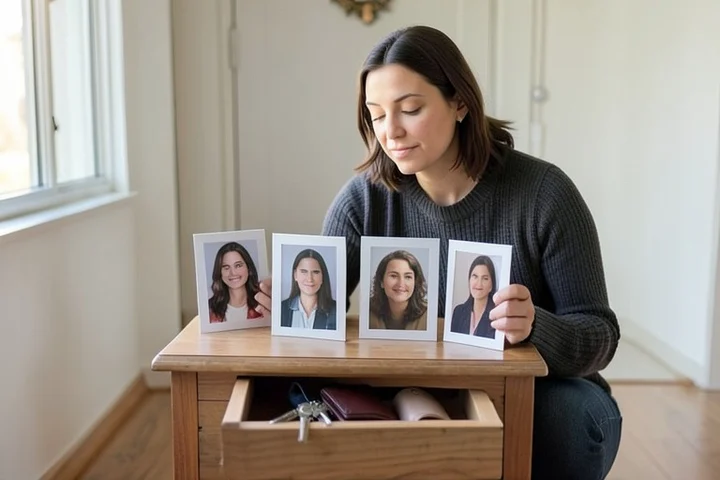
Start with the information the person has chosen to share. Compare the displayed name, stated age, general location, occupation, relationship history, timeline, photos, and details from your conversations. The Federal Trade Commission and FBI warn that romance scammers use fake dating profiles and identities, so material contradictions deserve attention. A profile that lists one city, describes a work schedule tied to another place, and later gives a conflicting account of where they live is worth pausing over. Note the specific inconsistency before drawing a conclusion; a named mismatch is easier to assess than vague unease.
Look across several details, not a single omission. Someone can keep an employer unnamed, limit identifying details, use older photos, or leave parts of a profile blank for legitimate privacy reasons. Those choices alone are not enough to establish deception. Focus on changes that affect basic identity or the story of how the person lives, such as different ages, locations, occupations, relationship timelines, or personal accounts that cannot fit together. Keep your check within information already shared in the profile and conversation, and let a major contradiction slow your plans while you seek clarification.
Request a Brief Live Interaction Without Making It a Test
A fake profile can be used to build trust through conversation, so a short voice or video interaction adds a direct check before you meet. Ask for a brief call through the dating app or another platform that does not reveal your phone number. Keep the request practical: a ten-minute conversation is enough to confirm that the person can interact with you in real time and that their manner broadly matches the account.
Treat the call as one signal, not proof of identity or good intentions. A live video can be staged, another person can appear on camera, and a genuine person can have a poor connection or prefer voice calls for privacy. The FBI describes fake online identities as a tool for gaining trust, while the FTC recommends caution around suspicious dating contacts. Use the interaction to decide whether to take the next small step, and keep your personal details private until the wider pattern supports meeting safely.
Use Image Search as a Clue, Not a Verdict
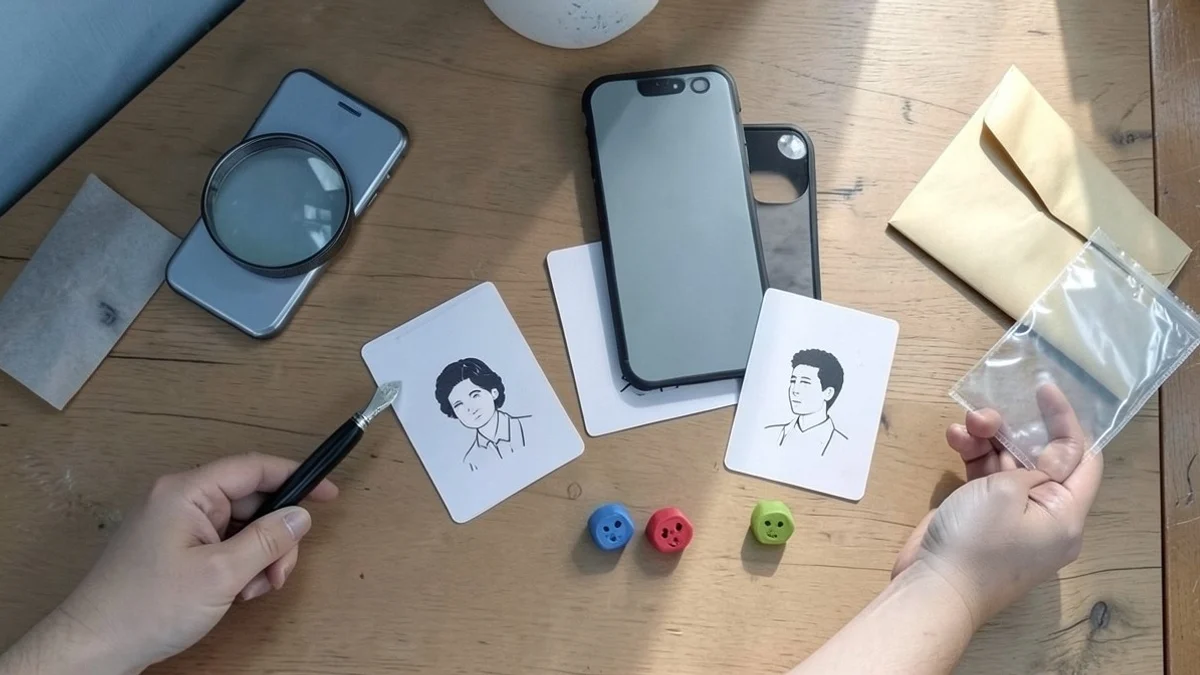
- Check the clearest profile photo with an image-search tool. The Federal Trade Commission advises reverse-image searching when a dating profile raises concern, and the FBI recommends researching profile photos as part of scam prevention.
- Read the result in context. A photo connected to a different name, several unrelated accounts, a stock-image library, or a public figure is a meaningful inconsistency worth pausing over; one matching result cannot establish identity.
- Try another clear photo if the first search finds nothing. Search indexes are incomplete, and cropping, filters, compression, private accounts, or recently uploaded images can prevent a match. A blank result therefore confirms very little.
- Account for altered or AI-generated images. Heavy editing can change the features a search tool uses, while an artificial image has no original personal photograph for the tool to locate. Unusual smoothness, inconsistent details, or image artifacts call for caution, but they cannot settle the question by themselves.
- Save only the result needed to remember what you found, then ask for clarification through the dating platform if a photo appears reused or unrelated. Do not accuse the person solely because a search is inconclusive; pause the plan to meet when the image evidence conflicts with the profile.
Keep Public-Information Checks Narrow and Privacy-Respecting
A public search should answer one narrow question: do the details the person chose to publish line up enough to continue? The FTC and FBI describe fake dating profiles as tools for building trust, supporting a limited check of information that is already public. Search the displayed name or username alongside a broad detail already shown on the profile, such as a city or occupation. Missing results remain inconclusive; many people keep little public information online.
Keep the boundary firm. Do not try to enter private accounts, guess passwords, create a second account to view restricted content, impersonate someone, or contact an employer, relative, or friend for confirmation. Those steps expose personal information and can attach the wrong identity to an innocent person. Check only voluntarily public pages needed to clarify a specific detail, record the minimum needed to remember what you found, and stop once the narrow consistency question has been answered.
Repeated Evasion Matters More Than a Single Technical Problem
A single missed call, camera problem, or request to keep personal details private is not proof that a profile is false. The risk rises when the same person repeatedly supplies new excuses, avoids every reasonable live confirmation, pressures you to skip checks, becomes angry about a basic boundary, or changes important parts of their story. The FTC and FBI describe fake dating profiles as identities used to build trust and manipulate people; the FTC also warns that scammers can push conversations away from the dating platform. A pattern of evasion can therefore matter more than one failed attempt or one incomplete profile.
Track the pattern, not just the explanation. Pause when each answer creates another contradiction, when urgency replaces clarity, or when contact is pushed into a less accountable channel before you feel comfortable. Do not keep negotiating for proof after repeated refusal. End the exchange and preserve the profile details needed for a later report; do not investigate through private accounts, relatives, or employers.
Convert the Results Into a Clear Meet, Decline, or Report Decision
Choose the next step from the pattern you have, not from a need to reach certainty. When the profile, conversation, and basic confirmation align without unresolved material conflicts, meeting remains a personal choice. If you proceed, keep the first meeting in a public place and maintain control of your own transportation and contact details. Consistency supports a decision to meet; it does not establish that a person is safe or compatible.
When one point remains unclear, ask one focused follow-up and assess the response before making plans. Decline contact when significant details remain contradictory, the account appears to use someone else’s images, or the person reacts to a reasonable boundary with pressure or hostility. You do not need to prove deception to stop engaging. Block the account if further contact is unwanted.
Report an account through the dating platform when you have a concrete reason to suspect impersonation, stolen images, or another policy violation. The Federal Trade Commission advises ending communication and reporting suspected romance scams, and the FBI also directs suspected romance-scam reports to IC3. Preserve relevant profile details and messages before reporting when the platform allows it; do not continue contact to collect more proof.
A profile does not need to reveal every personal detail to be credible. Look for consistent information, a reasonable response to a brief live check, and boundaries that remain respectful on both sides. Treat image-search results as clues, not proof. If contradictions and evasion accumulate, decline the meeting; report apparent impersonation or platform-policy violations through the dating service.
Where the factual details come from
- What To Know About Romance Scams — Federal Trade Commission
- Romance Scams — Federal Bureau of Investigation