
Published by Dating in Your 30s
Duration affects energy, pressure, and the quality of the conversation
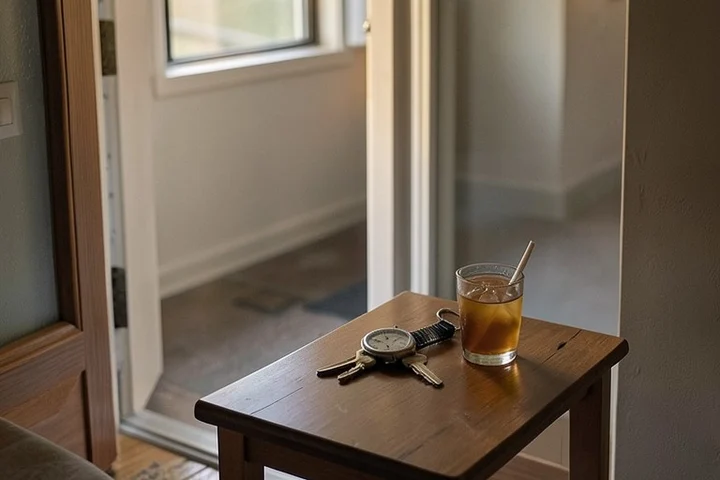
About an hour gives you time to move beyond introductions and see how conversation feels, while keeping the departure straightforward. Connection, comfort, energy, and logistics determine whether that window fits. A date ending after a few rushed minutes can reveal too little; one continuing long after interest has faded often creates pressure and exhaustion.
Your schedule matters too. A person coming from a long workday, managing childcare, or fitting a date between commitments may prefer a defined window. The endpoint also keeps early dating proportional: one meeting is an introduction, not a full-day assessment of compatibility.
A short first meeting is often the easiest starting format
- Point: Coffee for 30 to 60 minutes Detail: This format keeps the commitment low and usually offers a simple exit after one drink. Its limit is that a crowded venue or rushed conversation may leave you with only a partial impression.
- Point: A short walk for 30 to 60 minutes Detail: Walking provides a natural endpoint and avoids the intensity of sitting across a table for a long stretch. Weather, accessibility, privacy, and personal safety need attention when choosing the route.
- Point: A quick drink for about 45 to 75 minutes Detail: One drink creates enough space for a proper introduction while keeping the plan contained. Alcohol should never be treated as necessary for comfort, and the setting should support an easy departure.
- Point: A brief plan with no fixed second stop Detail: Leaving the rest of the evening open lets both people decide whether more time appeals to them. The meeting has less structure if it ends quickly, so confirm the basic plan before arriving.
Extend the date only when interest and comfort are mutual
- Point: The conversation keeps developing Detail: An extension makes sense when both people contribute, show curiosity, and remain engaged. One person carrying the exchange or repeatedly checking the time is a reason to keep the original endpoint.
- Point: Both people raise the possibility of more time Detail: A shared suggestion to continue is stronger evidence than politeness from one person. If only one person proposes another stop, pause for a clear response instead of assuming agreement.
- Point: The added plan is simple and nearby Detail: Another coffee, a short dessert stop, or more conversation in the same public area keeps the extension manageable. A complicated change of location adds pressure and makes leaving harder.
- Point: Energy and practical limits still work Detail: Interest is only one part of the decision. Work the next morning, transportation, childcare, fatigue, and personal comfort all remain valid reasons to finish at the planned time.
Use an agreed endpoint when the connection is not developing
When conversation feels one-sided, strained, or consistently uncomfortable, ending on schedule is appropriate. Thank your date, state that you are heading out, and give a simple goodbye. If you are open to another meeting, communicate that separately; staying longer is not required to show basic interest or courtesy.
Declining an extension needs only a clear reference to your original plan and your available time. When the date feels unsafe, leave promptly without debating the decision. Move toward a public or staffed area, arrange your own transport, and contact someone you trust or emergency services if there is immediate danger.
Set expectations and close the plan cleanly
- Mention the approximate time available before meeting, especially when your work, travel, childcare, or another commitment affects the evening.
- Choose a starting duration that feels manageable: about 30 to 60 minutes for a brief introduction or about 60 to 90 minutes for a more open-ended first date.
- Avoid booking a demanding follow-up commitment immediately afterward, leaving room for an on-time finish or a mutually agreed extension.
- When the date is going well, discuss adding time before changing locations or ordering another course. Enthusiasm from both people should accompany the extension.
- When ending, thank your date, state that you are leaving, and avoid overexplaining your decision.
- If the meeting becomes uncomfortable, prioritize a prompt exit over preserving the original duration.
Questions that often come up
Is a 30-minute first date too short?
No. Thirty minutes works for a quick introduction when schedules are tight or one person prefers a low-commitment meeting. If the conversation feels promising, more time can be discussed after both people have had a chance to settle in.
How long should a dinner first date last?
Allow roughly 60 to 90 minutes as a starting plan, with flexibility for the pace of the meal. You are free to finish after the main part of dinner if interest or energy has dropped.
What if my date arrives late?
Keep the endpoint tied to your actual schedule. A late arrival does not require you to give up your remaining plans, and a considerate date should understand a time limit that you communicated clearly.
For most first dates, plan a defined window of 60 to 90 minutes, use a shorter format when you want less pressure, and extend only through mutual interest. A clear endpoint protects comfort while leaving room for a genuinely enjoyable meeting.